A key component in conflict mediation is listening.
Let’s learn about how listening can find pathways to conflict resolution, reconciliation and inclusion.
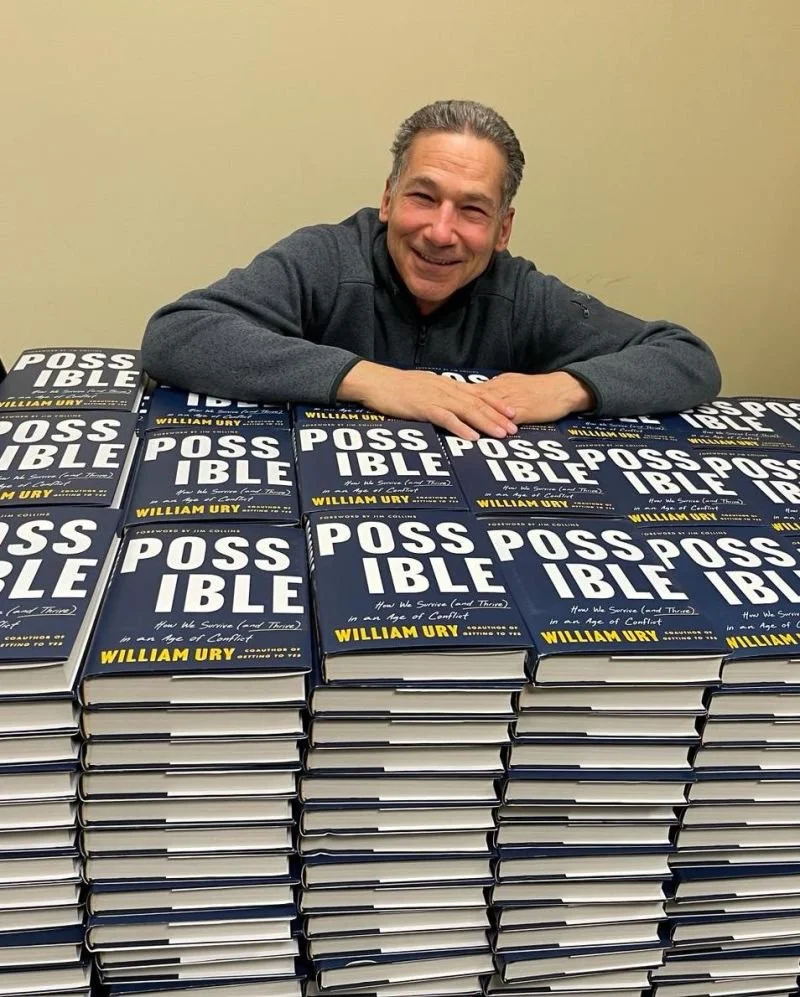
William Ury, author of Possible.
Here are some notes I took while listening to Possible: How We Survive (and Thrive) in an Age of Conflict by William Ury (Feb 20, 2024, HarperAudio). Ury is a best-selling author who shares his wisdom from almost 50 years of conflict mediation.
3 Victories: The Balcony, The Bridge, and the Third Side
From the balcony, you can see close up and far away. This is about taking responsibility for your stuff. Zoom in, listen to your inner signals to clarify your needs and notice how your nervous system is reacting. Pause and breathe if you’re feeling more heat than light. Zoom out, and invite others to express themselves. Don't judge. Be genuinely curious. Be genuinely empathetic. Keep asking questions and keep listening. Explore together.
Authentic listening invites trust. Avoid defensiveness. Build a bridge and invite collaboration. Seek to understand their point of view and listen for clues to their fears and dreams. Try your best to walk a mile in their shoes. Listening means truly being present. Let go of preconceptions and make a genuine connection. You may not agree with what you hear, but respect their dignity as equals. Ury recommends the “magic wand question”: If you had a magic wand, what would you create with it? Nate Hagens ends his videos with something similar and he gets some very creative answers.
The Third Side is community. Ury quotes a Bakalanga elder: “It is natural for human beings to have disputes. When they happen, all the friends and family […] hide the weapons and talk it out.” The Third Side helps the whole. It upholds everyone’s dignity, safety and mutual respect.
There are many reasons to bring the possible into our lives. William Ury’s book offers the kinds of tools we can use to achieve it.
